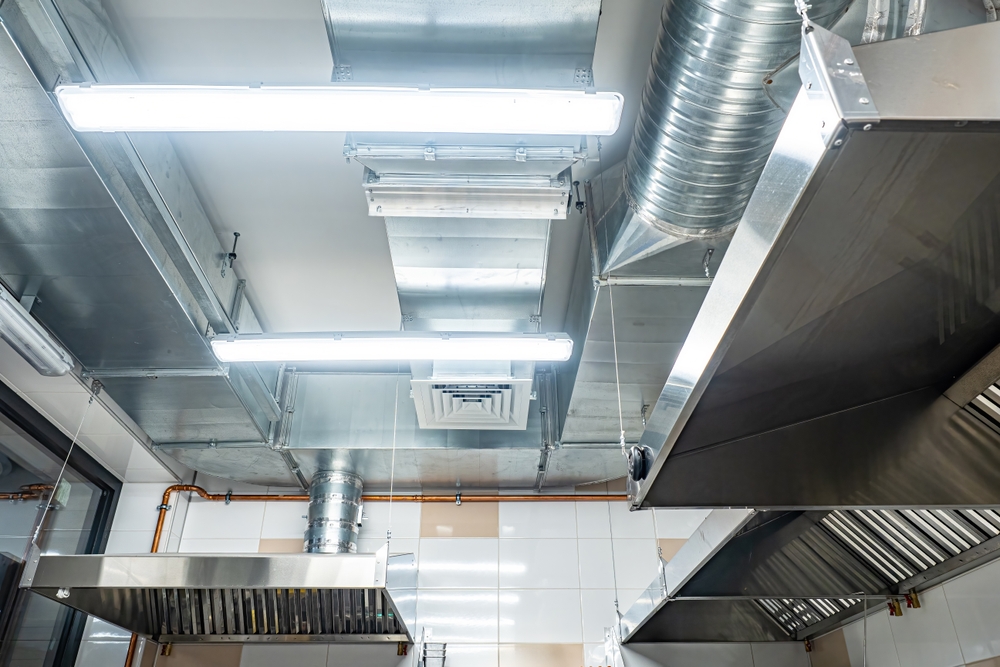
Restaurant HVAC has to handle two very different environments at once: intense heat from cooking equipment and steady comfort demands in the dining room. When you rely on expert commercial HVAC services in Norco, CA, a system designed around those conditions can help control kitchen temperatures, manage ventilation, and keep guests comfortable during busy service.
Kitchen Heat Changes the HVAC Load
Commercial kitchens produce substantial heat, moisture, smoke, and cooking effluent. ASHRAE identifies cooling, exhaust, and replacement air as connected parts of commercial kitchen ventilation, meaning the kitchen cannot be treated like an ordinary commercial room.
We approach commercial HVAC systems with the restaurant’s cooking equipment, operating schedule, ventilation needs, and occupied spaces in mind. This can include coordinating cooling with exhaust and replacement air so the HVAC system supports the kitchen instead of working against it.
Common sources of kitchen heat include:
- Ovens, ranges, grills, and fryers
- Commercial dishwashing equipment
- Refrigeration equipment
- Lighting and other electrical equipment
- Staff activity during busy service periods
Dishrooms can also create significant heat and moisture loads. ASHRAE research specifically examined commercial dishroom equipment to help HVAC designers account for these conditions.
Kitchen Exhaust Affects the Entire Building
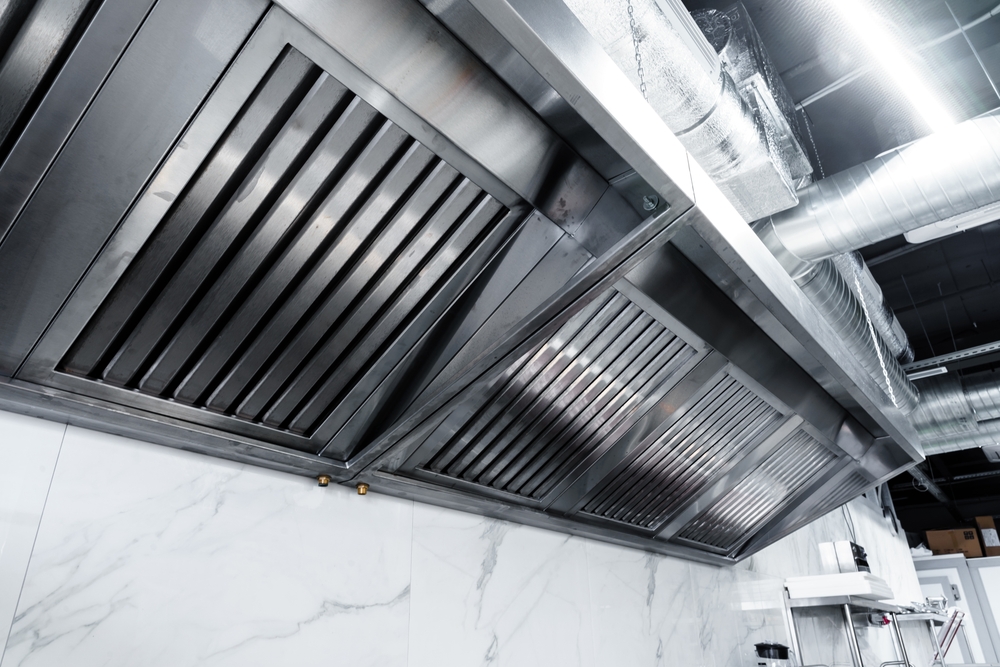
A restaurant hood does more than remove cooking fumes. Exhausting large volumes of air creates a need for replacement air, and poor coordination between these systems can affect pressure, temperature, and air movement throughout the building. ASHRAE notes that proper air balance is an important part of commercial kitchen ventilation design and commissioning.
Our commercial HVAC ductwork services can support proper air distribution by addressing the ductwork that carries conditioned or replacement air through the facility. Duct design, airflow, and distribution all influence how effectively different areas receive the air they need.
Dining Comfort Requires Different Conditions
The kitchen and dining room have different comfort demands. Kitchen staff may work near high-temperature equipment while guests sit in a space where drafts, temperature swings, or lingering cooking odors can quickly affect their experience.
ASHRAE recommends avoiding noticeable drafts in dining areas and maintaining controlled temperature conditions while keeping the kitchen properly separated through air pressure and ventilation strategies.
We can help restaurant owners address problems such as:
- Uneven temperatures between tables
- Hot or cold spots near doors and windows
- Excessive humidity
- Weak airflow in occupied areas
- Air movement caused by poorly balanced ventilation
Ventilation also contributes to indoor air quality. The U.S. Environmental Protection Agency states that ventilation and filtration can reduce exposure to indoor pollutants.
Restaurant HVAC Needs Ongoing Attention
Heavy daily operation places consistent demands on heating, cooling, ventilation, and air distribution equipment. Filters, coils, fans, controls, and other components need appropriate service so changes in airflow or performance can be addressed before they interfere with restaurant operations.
We service commercial HVAC systems with the demands of active food-service spaces in mind, including equipment that operates for long hours and conditions that change throughout the day.
Restaurant HVAC FAQ
Can one HVAC system serve the kitchen and dining room?
It can, but the system design must account for the different ventilation, temperature, and pressure conditions in each area. ASHRAE guidance supports separating or properly coordinating kitchen and dining zones based on the facility’s needs.
Why does my dining room feel hot when the kitchen exhaust runs?
Kitchen exhaust removes air from the building, so replacement air must be supplied and properly balanced. Poor airflow coordination can affect pressure and comfort in nearby spaces.
When should restaurant HVAC service be scheduled?
Regular service is appropriate for equipment operating under heavy daily loads. Additional attention is warranted when temperatures become uneven, airflow changes, humidity rises, or equipment begins operating differently.
Keep Your Restaurant Comfortable During Service
Restaurant HVAC problems can affect the people working in the kitchen and the guests sitting in the dining room. New Age Air Conditioning and Heating, Inc. provides commercial HVAC services in Norco, CA with a family-owned approach, responsive service, transparent recommendations, and experienced HVAC professionals. Contact us to discuss your restaurant’s heating, cooling, and ventilation needs and schedule service backed by our 100% satisfaction guarantee.